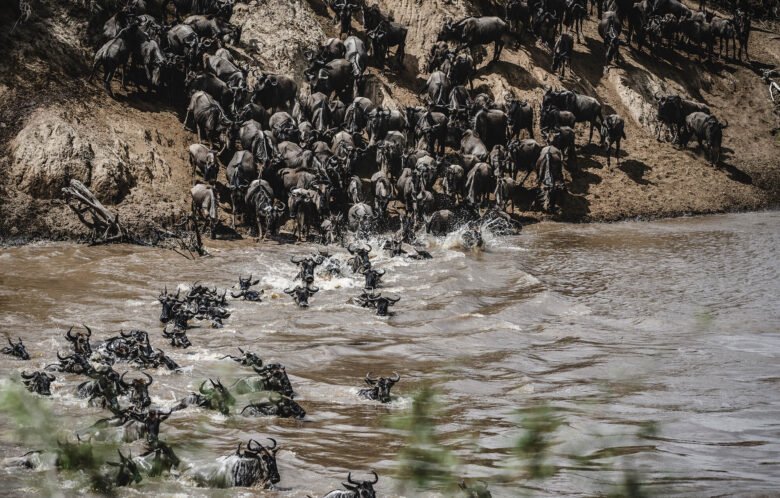
To the untrained eye, the savanna of the Masai Mara is a beautiful, static landscape of golden grass and acacia trees. But to our Maasai spotters, it is a living book, constantly telling a story of survival, movement, and life. Every broken twig, pressed blade of grass, and distant bird call is a sentence in an ongoing narrative that our guides have spent their entire lives learning to read.
Our tracking methodology does not rely on noisy VHF radios or GPS coordinates. Instead, it relies on an ancient, oral science passed down through generations. Our spotters can look at a single blade of grass and tell you not only that an elephant passed by, but how long ago, what direction it was heading, and whether it was relaxed or startled. This slow, intentional approach turns a standard safari into an educational journey of deep ecological understanding.
The Science of the Unseen: Deciphering Tracks
Tracking is the art of reading invisible signatures. A slight depression in the red dust, a bent twig, or a tuft of hair caught on a thorn bush are all clues. Our Maasai spotters can distinguish between the footprint of a male and female lion, estimate the weight of a passing rhino, and determine the exact hour a leopard moved through a riverbed. They read the speed of the animal by the depth and spacing of the paw prints, understanding whether a predator was actively hunting or simply migrating. This incredible skill turns every safari drive into a real-time detective story, where the savanna reveals its secrets step by step, and guests participate in the thrill of the search.
A spotter’s gaze is holistic. They do not just look at the ground; they analyze the entire vertical structure of the habitat. They look at the height of broken branches to identify the feeding height of an elephant, observe the scrape marks on tree trunks to find where leopards marked their territory, and notice the disturbances in spiderwebs that indicate a small animal has recently run through. This attention to detail turns the invisible visible, revealing a hidden web of life that exists right before our eyes.
The Acoustic Symphony of the Bush
The wilderness is never truly silent; it is constantly communicating. Our spotters are masters of acoustic tracking. They do not just look for animals; they listen to the ecosystem. The sharp, frantic bark of a baboon indicates a leopard in the trees. The high-pitched whistle of an impala warns of a hidden lion. Even the behavior of the birds—such as the sudden scatter of starlings or the alarm calls of the Go-away-bird—tells a story. By decoding this auditory landscape, our guides can locate predators that are completely hidden in the dense riverine scrub, offering our guests exclusive, intimate sightings that others miss.
This acoustic tracking requires deep focus and patience. Our guides will often stop the vehicle, turn off the engine, and sit in absolute silence for several minutes, letting the sounds of the bush wash over them. They can identify the direction of an alarm call from miles away, interpreting the urgency of the tone to determine if a predator is active or stationary. This level of sensory attunement is a testament to the Maasai’s profound integration with their environment, a skill honed over centuries of coexistence.
Whispers on the Wind: Tracking Without Technology
In an effort to maximize sightings quickly, many commercial lodges equip their vehicles with radios. When an animal is found, the coordinates are broadcasted, leading to a sudden rush of vehicles. At Enkewa, we believe this technology ruins the soul of the safari and disturbs the natural behavior of the wildlife. We operate in complete radio silence. Our spotters use their eyes, ears, and centuries of ancestral knowledge. This slower, more intentional tracking respects the wilderness and ensures that when we find a pride of lions or a solitary leopard, we are alone with them, experiencing the raw magic of a genuine discovery in complete tranquility.
By rejecting radios, we also preserve the element of surprise and adventure. The joy of a safari at Enkewa does not come from driving to a pre-arranged coordinate; it comes from the collaborative effort of spotters, guides, and guests working together to solve the puzzles of the savanna. When a leopard is finally found after an hour of tracking, the sense of accomplishment is shared, and the sighting feels earned, making the experience infinitely more memorable.
Generational Guardians and Cultural Continuity
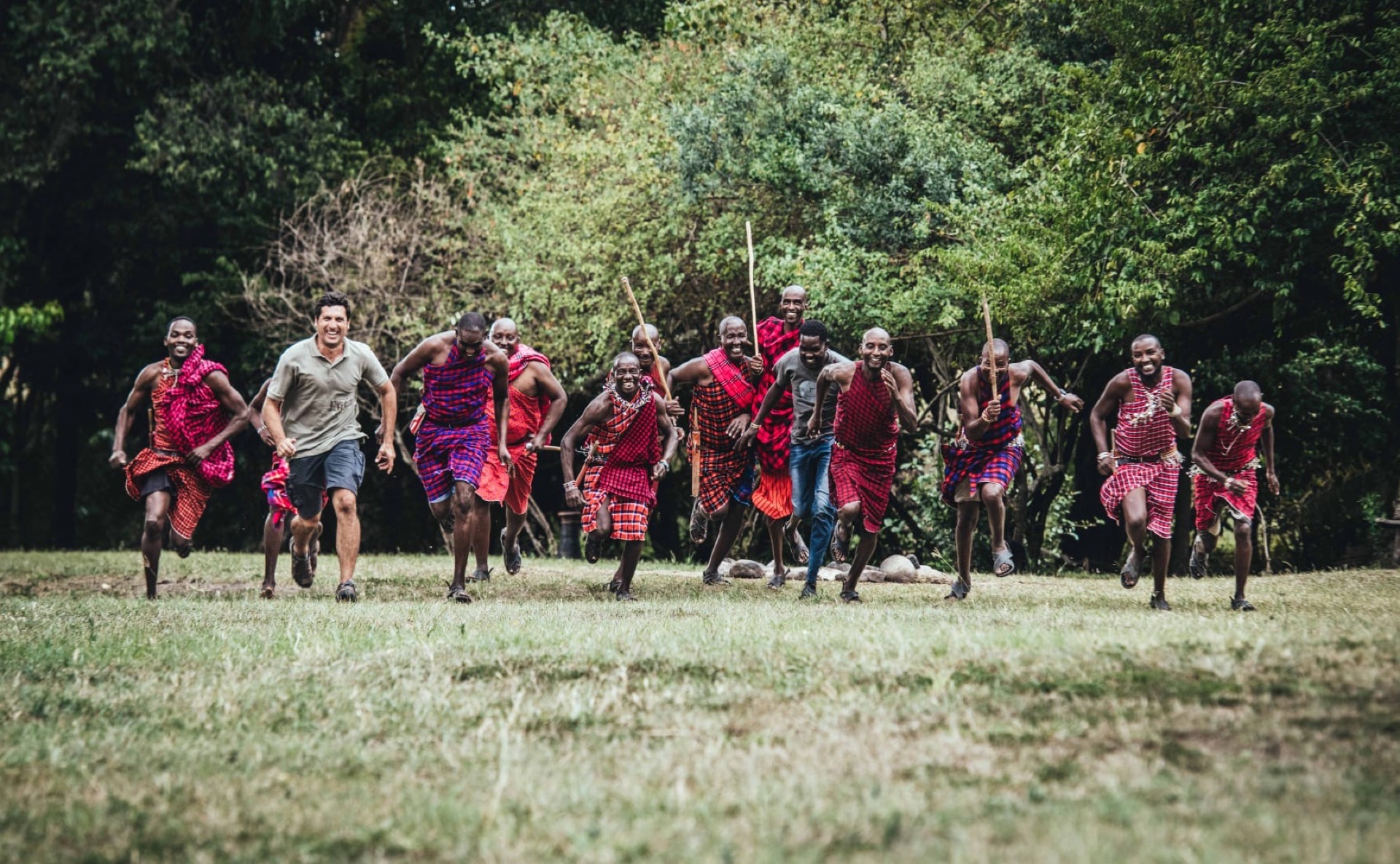
This tracking wisdom cannot be learned from books or screens; it is a living heritage passed from father to son. By employing local Maasai, Enkewa helps preserve this invaluable cultural science, providing sustainable careers that honor their heritage and value their expertise. Our spotters and guides are not just employees; they are the intellectual leaders of our camp, sharing their deep understanding of botany, ethology, and cultural history with our guests.
This commitment to cultural preservation is a vital part of our conservation mission. By demonstrating that traditional ecological knowledge has immense value in the modern tourism economy, we help incentivize the preservation of these ancient skills among younger generations. Our guides are proud representatives of their culture, active guardians of the reserve, and your partners in a journey of discovery.
Every drive at Enkewa is a masterclass in ecology, guided by expert Masai guides who share the secrets of their ancestral home. Step into the world of genuine conservation at our exclusive Masai Mara camp.