
The Big Five are the lion, the leopard, the African elephant, the Cape buffalo and the rhinoceros. You can see all five in the Masai Mara, and in our corner of the southern reserve the chances are better than most: four resident lion prides share the land around Enkewa Camp, elephant and buffalo move through almost daily, leopard patrol the riverine forest along the Sand River, and the hills behind us hold one of the Mara’s few black rhino territories. The hardest of the five to find is the black rhino; the one most people underestimate is the buffalo. This guide explains where each animal lives, when to come and how our Maasai guides and spotters find them without a radio and without a queue of vehicles.
What are the Big Five?
The term has nothing to do with size. It was coined by hunters in the nineteenth century for the five animals that were most dangerous to track on foot: the lion, the leopard, the elephant, the buffalo and the rhinoceros. Explorers arrived in East Africa drawn precisely by that difficulty, and the names stuck. Today the hunting is gone and the list has turned into something else: a shorthand for the animals that make a safari feel complete, and for five species whose survival depends on the protected areas where they still roam.
At Enkewa we treat the list as a starting point rather than a checklist. Seeing a leopard is one thing; sitting in silence for twenty minutes, tea in hand, watching her groom her cubs with no other vehicle in sight is the version we try to give you.
Lion
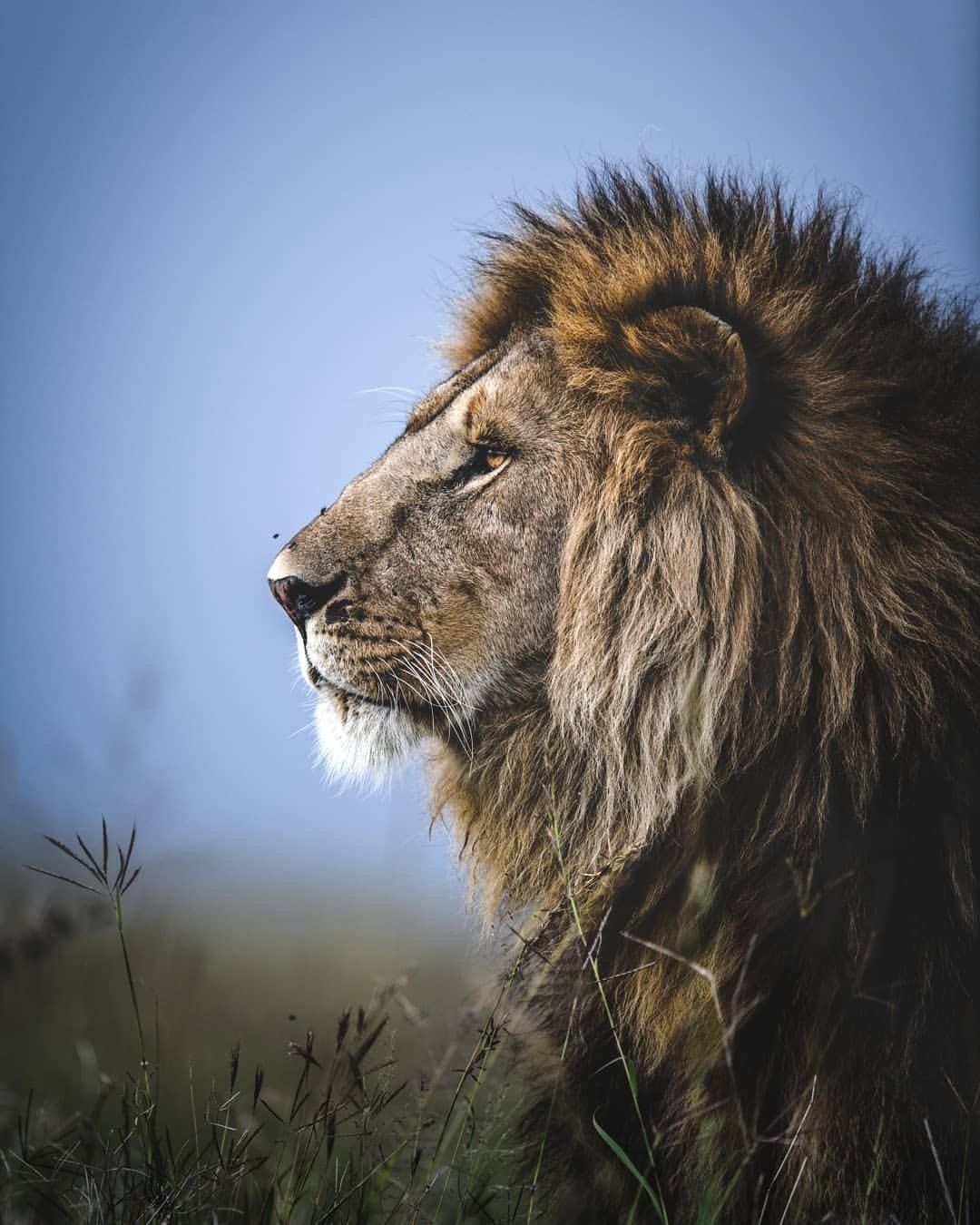
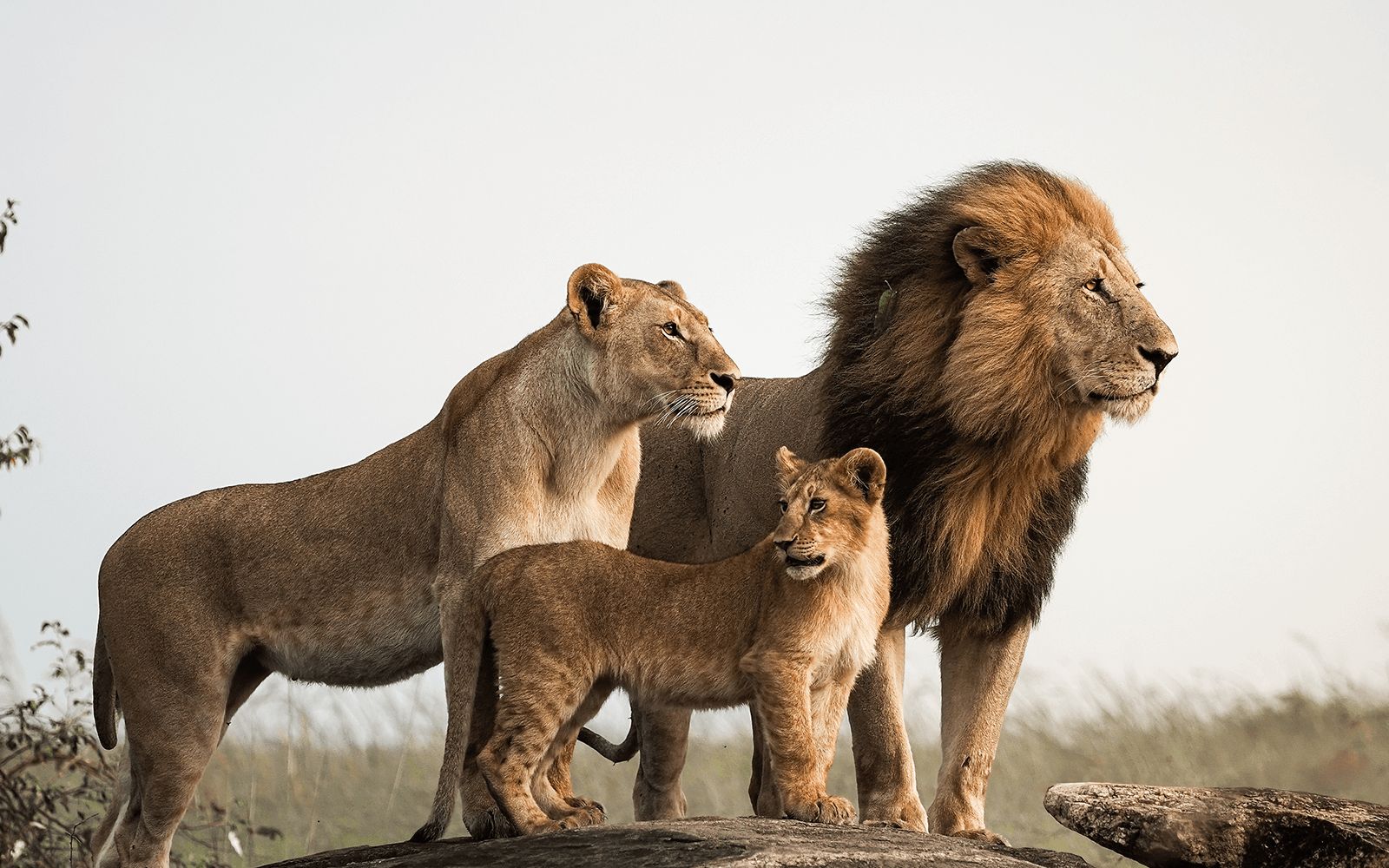
The Masai Mara is one of the best places on Earth to watch lions, and the southern reserve is where they are least disturbed. Four prides live around Enkewa Camp, and our guides know them by lineage: which females hunt together, which males hold which territory, where the cubs were born this season. That knowledge is what turns a sighting into a story.
Where to look: in the heat of the day lions rest in the shade of croton thickets and on rocky outcrops with a view of the plains. Early morning and the last hour of light are when you will see them move and hunt. Conservation bodies estimate that only around 20,000 to 25,000 lions remain in the wild, so a pride of fifteen at rest in the Mara is not a small thing.
Leopard

The most elusive of the five. Leopards are solitary, largely nocturnal and masters of camouflage; outside the mating season you will rarely see two together. In our area they keep to the riverine forest along the Sand River and the thick cover on the hillsides.
Where to look: draped along the limb of a yellow-barked acacia in the morning, or in the dense thicket at the edge of a lugga. Our spotters look for the tail hanging below a branch, for vultures sitting in a tree with a kill, and for the alarm calls of impala and baboon. Because we track on signs rather than radio chatter, finding a leopard with us is a reward rather than a convoy.
Elephant
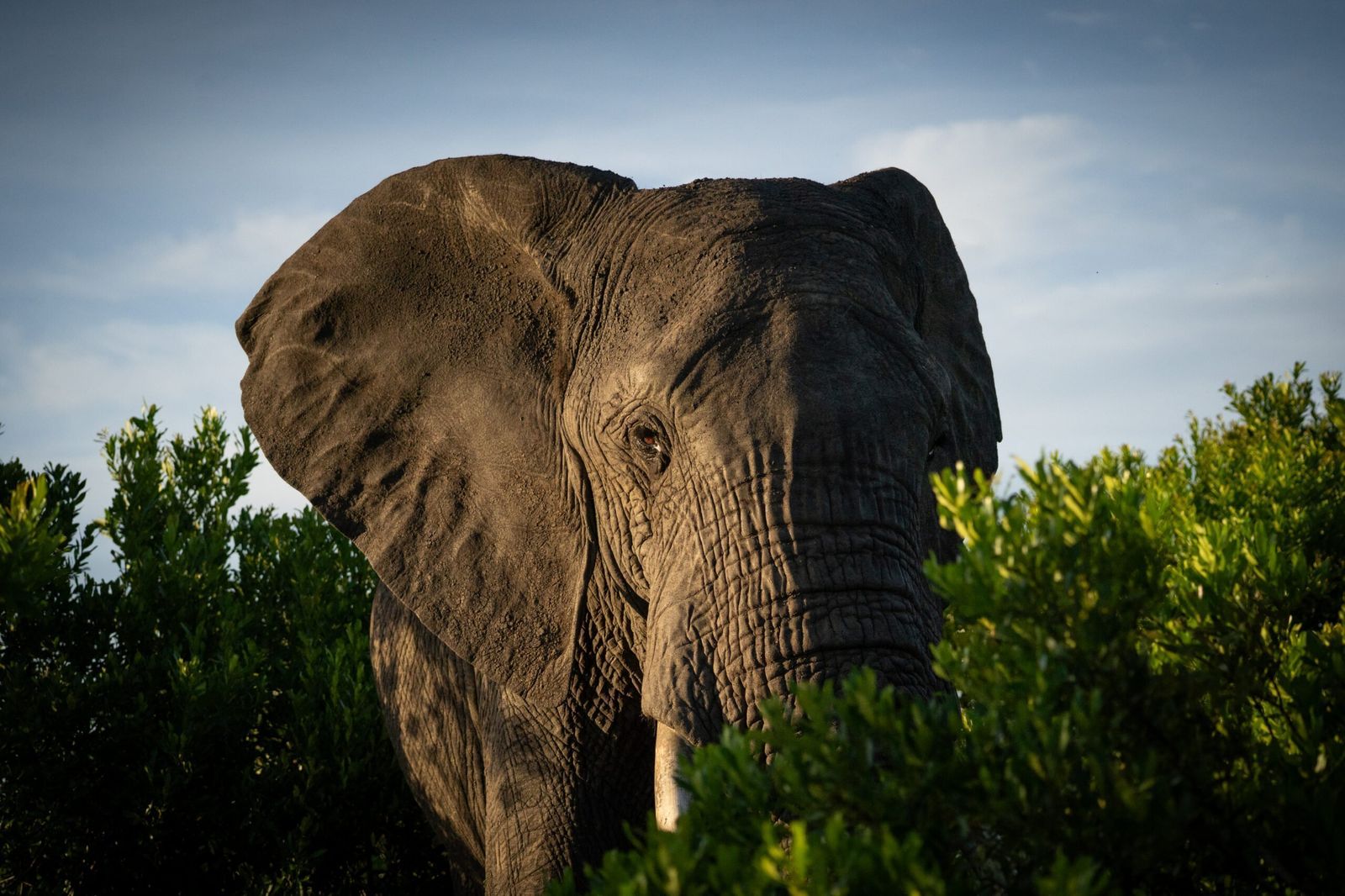
The largest land animal on Earth, with bulls standing over three metres at the shoulder, and the architect of the landscape: elephants push over trees and open up grassland that everything else depends on. Herds move between the marshes and the forest edges near camp, and watching a family cross the plains at sunset is one of the quietest, most humbling moments of a Mara safari.
How we watch them: we position the vehicle, switch off the engine and let the herd move around us. With no engine noise you hear the low rumbles they use to talk to each other and the sound of grass being pulled up by the trunkful.
Cape buffalo

The most underrated of the five, and the one our guides respect most. Buffalo look placid, almost bovine, but they are territorial, unpredictable and quick to charge; old bulls that have left the herd are the ones to keep a distance from. The fused horns across the forehead, known as the boss, and that steady, level stare are the giveaway.
Where to look: large herds graze near permanent water and rest in the shade of shrubs through the middle of the day. Where there are buffalo, a lion pride is often not far behind, which is why our spotters pay attention to them even when guests are keen to move on.
Black rhino: the hardest one
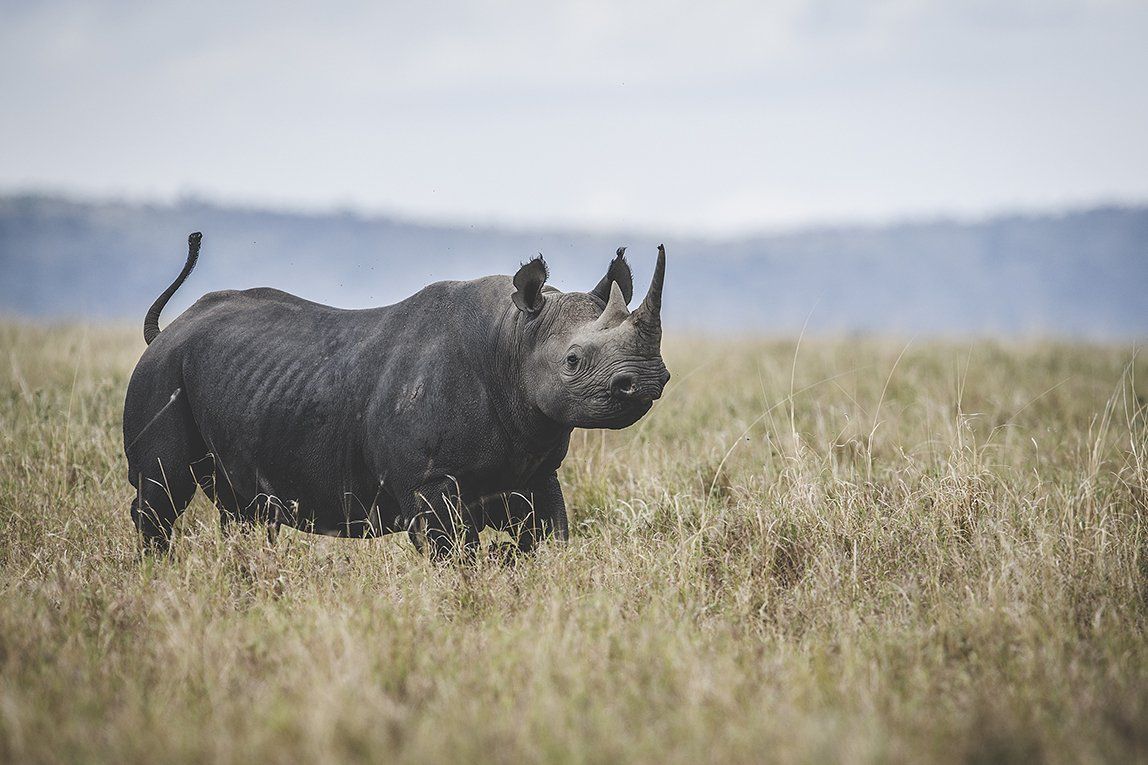
The rhino you will see in the Masai Mara is the black rhino, the smaller, more solitary and more short-tempered of Africa’s two species, and the one listed as Critically Endangered on the IUCN Red List after decades of poaching. The Mara’s population is small and closely protected, and most visitors to the reserve never see one.
Our area holds one of the highest concentrations of black rhino in the Mara ecosystem. We do not publish where they are, and our guides do not share locations over the radio; that discretion is part of why they are still here. What we can promise is patience, a guide who knows the dense scrub and hilly ground they favour, and a genuine chance rather than a guarantee. If seeing one matters to you, tell us when you book and we will plan the drives around it.
Best months to see the Big Five
All five are resident year-round, so there is no bad month. The dry season from July to October is the easiest: the grass is short, animals gather around permanent water and the Great Migration pours into the reserve from the Serengeti, which brings the predators out into the open. January and February are also excellent, with green plains, newborn antelope and far fewer vehicles. The long rains in April and May make some tracks heavy going, but the light is extraordinary and lion and elephant sightings barely change. Our Masai Mara weather guide goes through it month by month.
How our Maasai guides and spotters find them
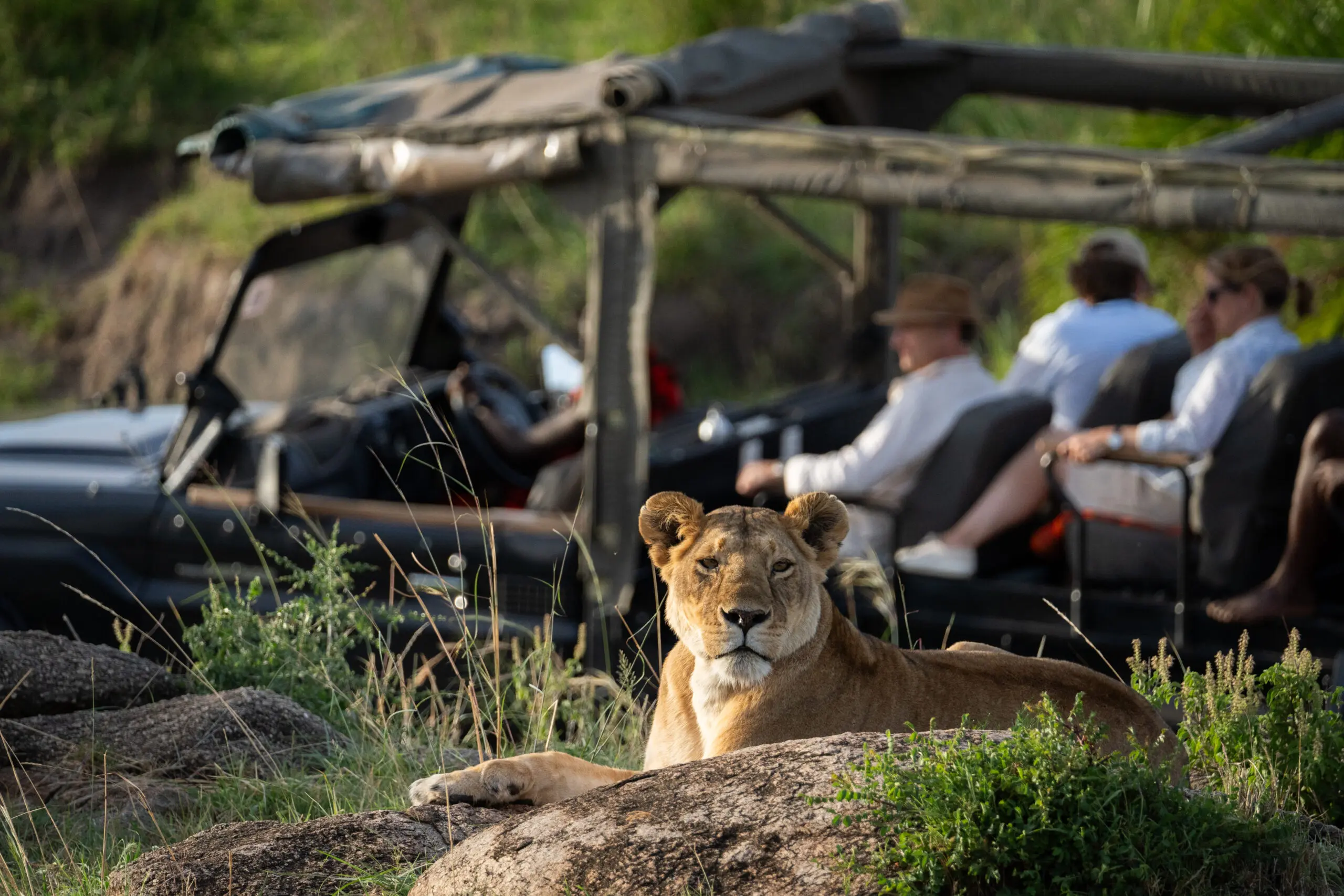
Every Enkewa vehicle carries two people up front: a professional guide and a Maasai spotter who grew up on this land. The spotter reads the grass: a flattened patch where a lioness lay, a line of hoof prints heading away from water at the wrong time of day, a giraffe staring fixedly at a thicket, the alarm snort of a topi. The guide reads the animals’ behaviour and decides where to be and when. We rely on this rather than on radio sightings shared between lodges, which is why you will usually be alone with what you find. Read more about how our spotters read the grass and about the Maasai wisdom behind every safari.
Game drives leave camp before dawn and again in the late afternoon, with a bush breakfast on the plains in between. You can see what a day looks like on our safari activities page.
Photographing the Big Five
Our 4x4s are built for photographers, with open sides, bean-bag rests and space to work from a low angle, and our photographic safaris are led with longer sightings and careful positioning for the light. A 70-200 mm lens covers lion, elephant and buffalo from a respectful distance; for leopard and rhino, which keep further away, 400 mm or more earns its place in the bag. Most of the images on this page were taken by Nando, our resident photographer, on game drives from camp. For settings, lenses and the best months for light, see our guide to planning a wildlife photography safari.
Frequently asked questions
Can you see all of the Big Five in the Masai Mara?
Yes. The Masai Mara is one of the few places in Kenya where all five species live wild in the same ecosystem. Lion, elephant and buffalo are seen on most game drives; leopard takes patience and a good spotter; black rhino is rare and never guaranteed.
Are there rhinos in the Masai Mara?
Yes, black rhino. The population is small and closely protected, and the southern part of the reserve, where Enkewa Camp and Little Enkewa are, holds one of its highest concentrations.
Can you see the Big Five in one day?
It happens, but it is luck. Over a stay of three nights, with two game drives a day and a guide who knows the territories, most of our guests see four of the five, and a good proportion see all of them.
Which of the Big Five is the most dangerous?
On foot, the buffalo; it is the one our Maasai guides are most careful around. From a vehicle, with a guide who keeps a respectful distance, none of them pose a risk, and that distance is also what keeps the animals relaxed enough to behave naturally.
Where to stay to see them
Both of our camps sit in a remote, low-use part of the southern Masai Mara, inside the territories described above rather than at the end of a long drive to them. Enkewa Camp has double and family tents; Little Enkewa is a five-tent camp near the Sand River for guests aged sixteen and over. Write to us with your dates and tell us which of the five you most want to see.
Sources: IUCN Red List of Threatened Species (black rhinoceros, Diceros bicornis; lion, Panthera leo); Kenya Wildlife Service. Photographs by Nando Photography and the Enkewa team, taken on game drives from Enkewa Camp.

