
There is no such thing as a seven-star hotel in Kenya, or anywhere else: no official classification goes beyond five stars, and the phrase is marketing shorthand for a level of luxury that leaves ordinary hotels behind. What people searching for it usually want is real: privacy, exceptional service, a setting that cannot be bought elsewhere and the feeling of being the only guests in the world. In Kenya that experience exists, but it is not found in a tower in Nairobi or a resort on the coast. It is found in a handful of small camps in the bush. This page explains what seven-star really means on safari and where to find it.
What the stars actually measure
Hotel star ratings count facilities: the size of the room, the number of restaurants, whether there is a spa, a pool, a concierge, room service after midnight. They say nothing about whether you will remember the stay. A five-star city hotel and a five-star safari camp are rated on the same list, which is why the list is useless once you leave the city. On safari the things that matter are not on it at all.
What seven-star means in the bush
After two decades of hosting guests in the Masai Mara, these are the things that make people say it was the best hotel of their lives, even though it was a tent:
- Nobody else there. A leopard sighting with one vehicle, not twenty. A morning on the plains without another car. This depends entirely on where the camp sits, and it cannot be added later.
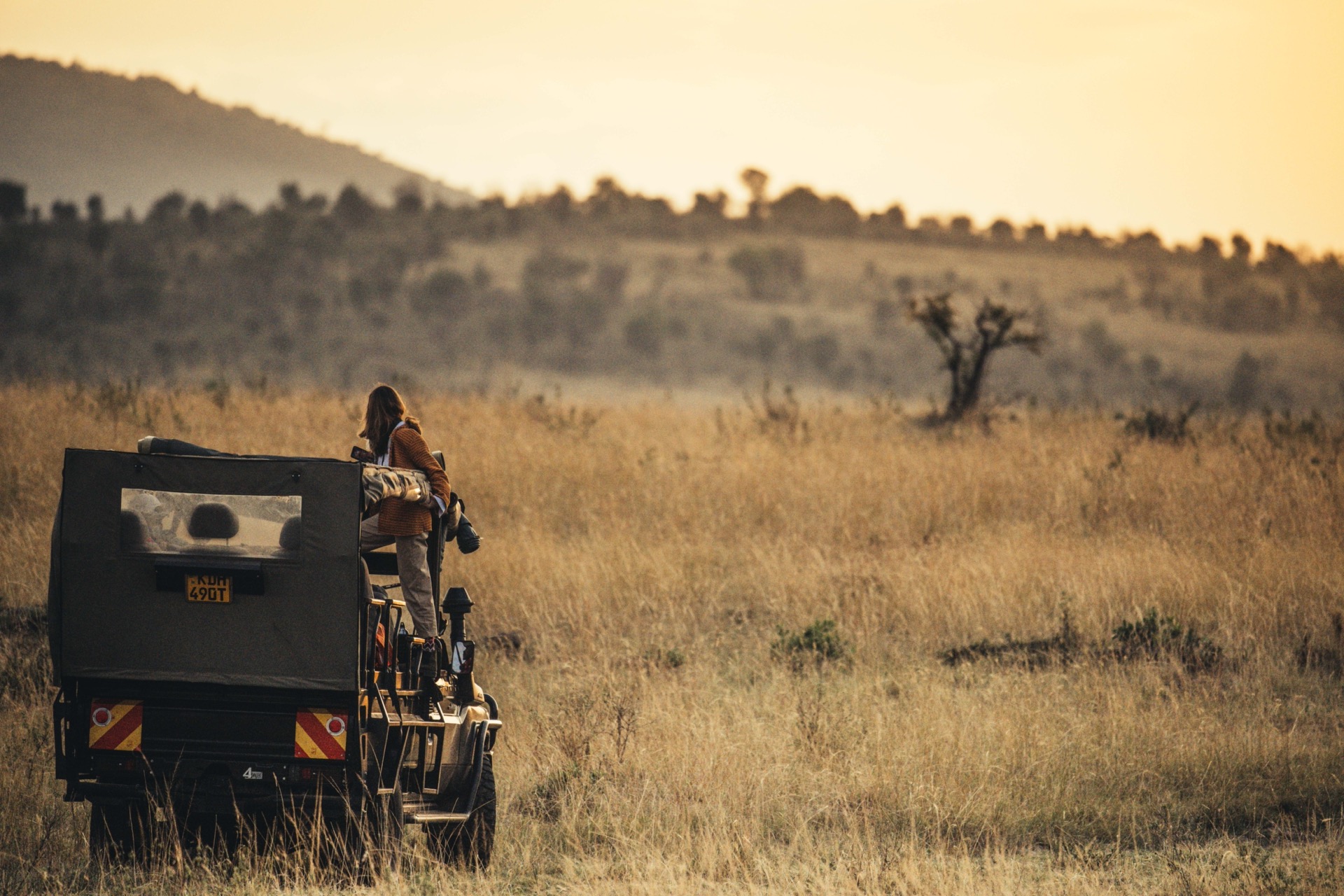
- A guide who knows the animals by name. Not a driver with a radio, but someone who has followed the same prides for years and a spotter who reads the grass.
- Space and silence. A tent with a veranda facing a hundred kilometres of savannah, and nothing between you and it.
- Food grown on site. Vegetables from the camp garden, bread baked that morning, breakfast served in the bush half way through the drive.
- People, not staff. A camp run by its owner and by the Maasai community whose land it is, where the person who serves dinner is the one who told you about the lion that morning.
- Time. No schedule but the animals’. Staying out through lunch because the cheetah is about to hunt.
Where to find it in Kenya
The camps that deliver this are small, usually under ten rooms, and sit in the quietest parts of the country’s best wildlife areas: the remote south of the Masai Mara, the private conservancies of Laikipia, parts of Samburu. They are rarely the most expensive on the list, because what they offer is not built from marble. Kenya’s large luxury lodges, with pools and spas and a hundred rooms, are comfortable and well run, but they are the five-star version: the one you can rate on the checklist.
Our version of it
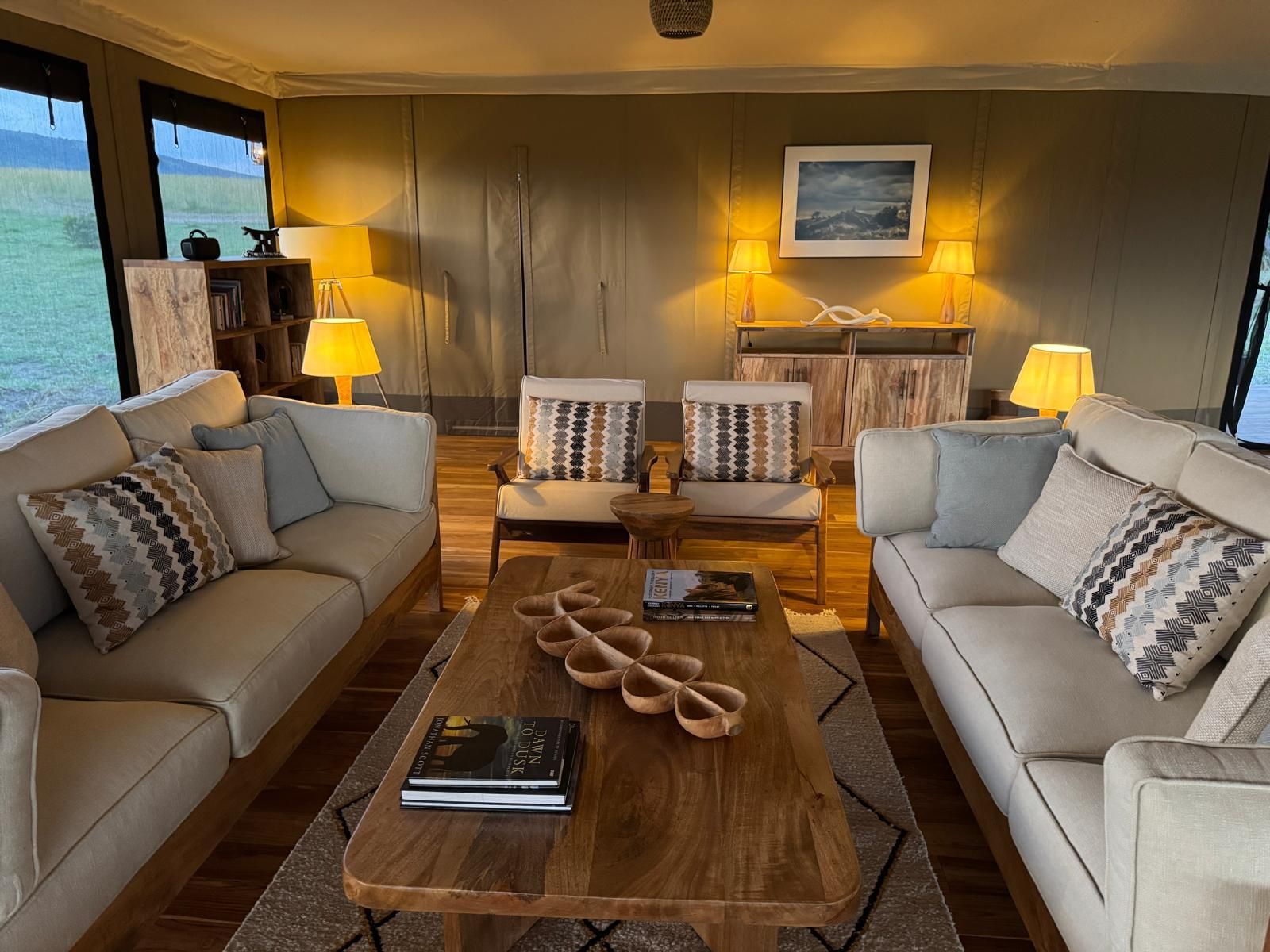
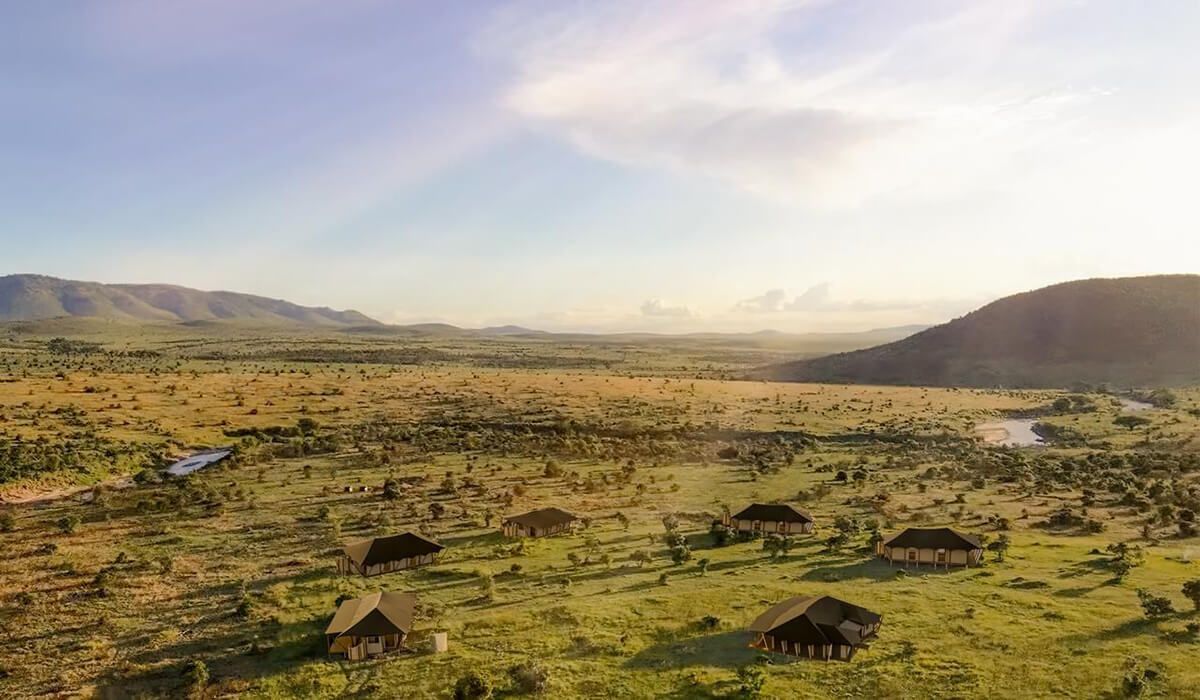
Little Enkewa is five tents near the Sand River in a low-use corner of the southern Masai Mara, each with a super king bed, an indoor and an outdoor shower and a veranda with 180-degree views. It takes guests from sixteen and can be booked in its entirety. Enkewa Camp, a short drive away, has double and family tents, a main lodge with a campfire and an organic garden that feeds the kitchen. Both are owner-run, both are staffed by the Maasai community, and both send every vehicle out with a professional guide and a spotter. We have never called ourselves seven-star. We have had guests use the phrase.
How to tell real luxury from the brochure version
- Ask how many vehicles were at the last leopard sighting.
- Ask who owns the camp and who works there.
- Ask whether you can stay out through lunch on a game drive.
- Ask where the vegetables come from.
- Look at the map, not the photographs: how far is the camp from the nearest gate and from the nearest large lodge?
We have written more about this in luxury without the gold leaf and why choose a luxury safari lodge in Kenya. For what a stay at this level costs, and what is included, see how much a Kenya safari really costs.