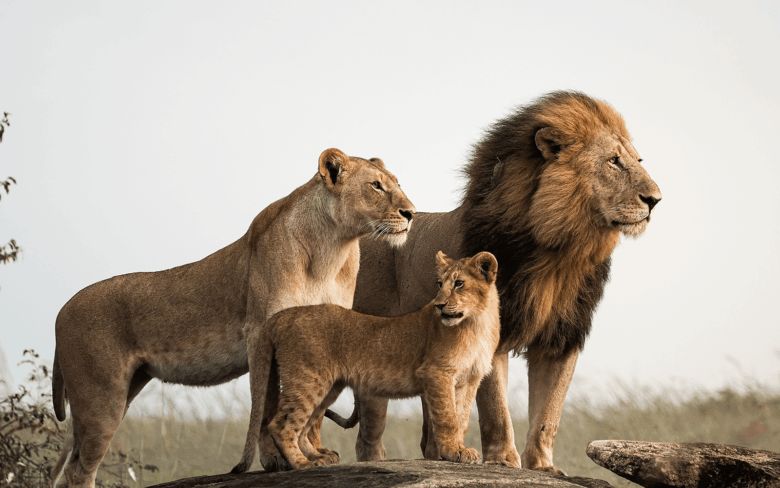
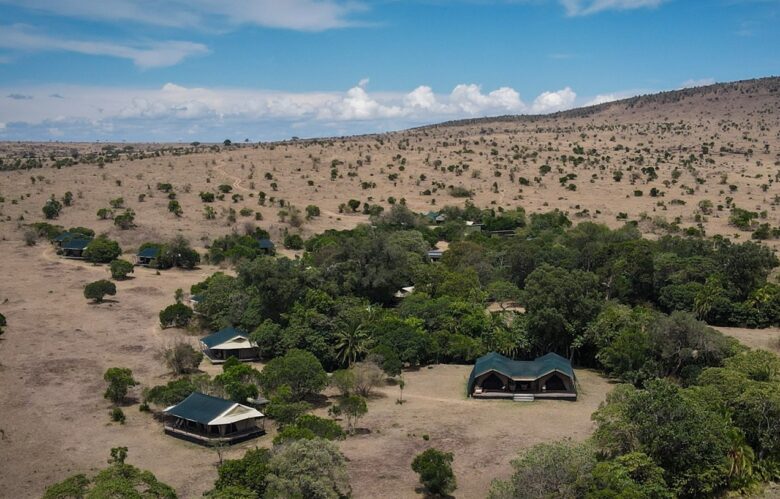
Choose the Masai Mara if you want the best chance of dramatic Mara River crossings, a compact reserve and an easy trip from Nairobi. Choose the Serengeti if you want vast open space, a longer window to follow the Great Migration and a journey that can stretch over several days. Both belong to one connected ecosystem, and both are superb. The real question is what kind of safari you want, and when you can travel.
We run two small tented camps in a remote, low-use corner of the southern Masai Mara, so we are not neutral. But we know the Mara from the ground, and we will tell you where the Serengeti does something better. Here is how the two compare.
Masai Mara vs Serengeti at a glance
| Masai Mara | Serengeti | |
|---|---|---|
| Country | Kenya | Tanzania |
| Size | About 1,510 km² (reserve) | About 14,760 km² (national park) |
| Great Migration | Typically July to October | Hosts the herds for most of the year |
| River crossings | Famous, dramatic Mara River crossings | Crossings happen too, but the herds spend more time on the plains |
| Feel | Compact and wildlife-dense; busy at hotspots in high season | Vast, open plains with room to spread out |
| Getting there | Short flight from Nairobi to an airstrip in the reserve | Flights between airstrips from Arusha or Kilimanjaro |
| Best months | July to October for crossings; January to March for green, quiet days | Depends on where the herds are; the south is known for calving in January and February |
Size and landscape: compact versus vast
The Serengeti National Park is roughly ten times the size of the Masai Mara National Reserve. That scale gives it endless horizons and room to disappear, but it also means longer drives between sightings. The Mara is smaller, which concentrates predators and plains game and makes a good sighting quicker to find. The landscapes differ too: the Mara is a mosaic of rolling grassland, acacia and riverine forest, while the Serengeti is known for its endless plains and granite outcrops.
Wildlife beyond the migration
The migration steals the headlines, but both parks are rich in wildlife all year. The Mara’s resident lions, elephants, buffalo, leopards and cheetahs are often easier to find in its smaller area, and its mix of open plains and riverine forest suits big cats well. The Serengeti is also home to large predator populations, spread across a much bigger map, so sightings can take more driving.

Both are home to the Big Five. Black rhino is the hardest of them to find in either park, so it rewards patient guides who know the land. Birdlife is excellent in both, and a good spotter turns every drive into more than a list of animals. To know where and when to find each animal in the Mara, read our guide to the Big Five in the Masai Mara.

The Great Migration: who gets the herds, and when
The migration is a circular journey of more than a million wildebeest, along with zebra and gazelle, between the Serengeti and the Mara, so neither park owns it. The Serengeti hosts the herds for most of the year. The Masai Mara typically receives them from around July to October, and this is when the famous Mara River crossings take place, helped by the steep banks that make them so dramatic. Crossings cannot be scheduled: timing shifts with the rains, and the herds may cross back and forth.
The herds typically enter the Mara from the south, close to the Tanzanian border, which is where our camps are. To experience it away from the busiest crossing points, read seeing the migration without the crowds, and plan your dates with Masai Mara weather by month.
Crowds: where you stay matters more than which park you choose
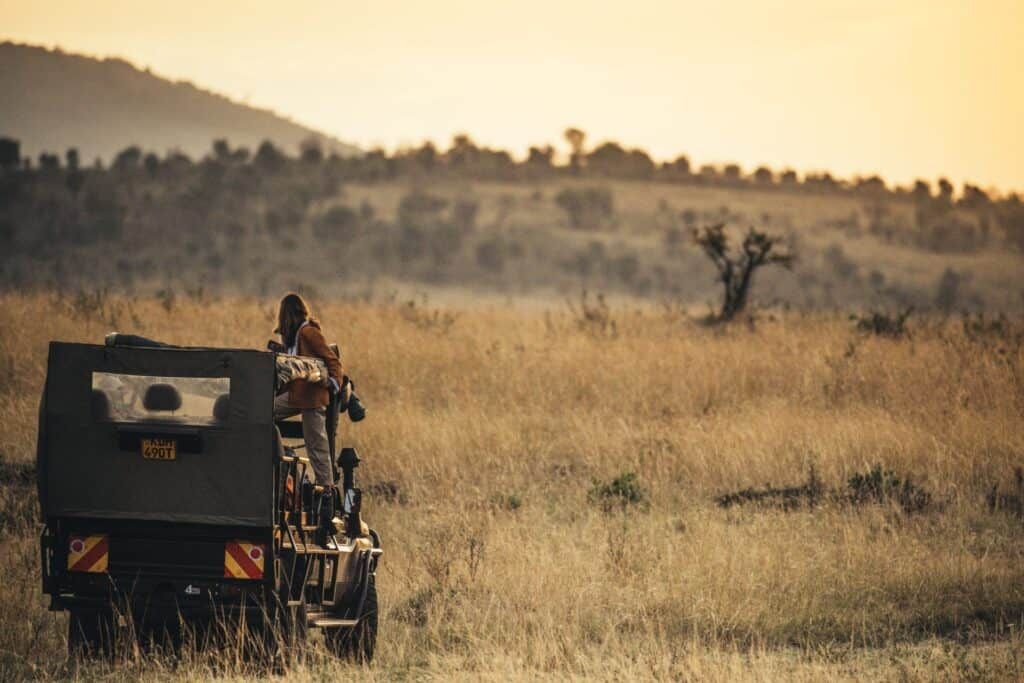
Both parks have quiet corners and busy ones. In the Masai Mara, the best-known crossing points fill with vehicles in high season; in the Serengeti, popular areas such as Seronera can be busy too. The most reliable way to avoid the crowds is to choose a camp in a low-use area. That is why we are in the southern reserve, far from the most crowded places. To see what that changes, read about sleeping inside the reserve and why remote is the new luxury.

What makes the southern Mara different
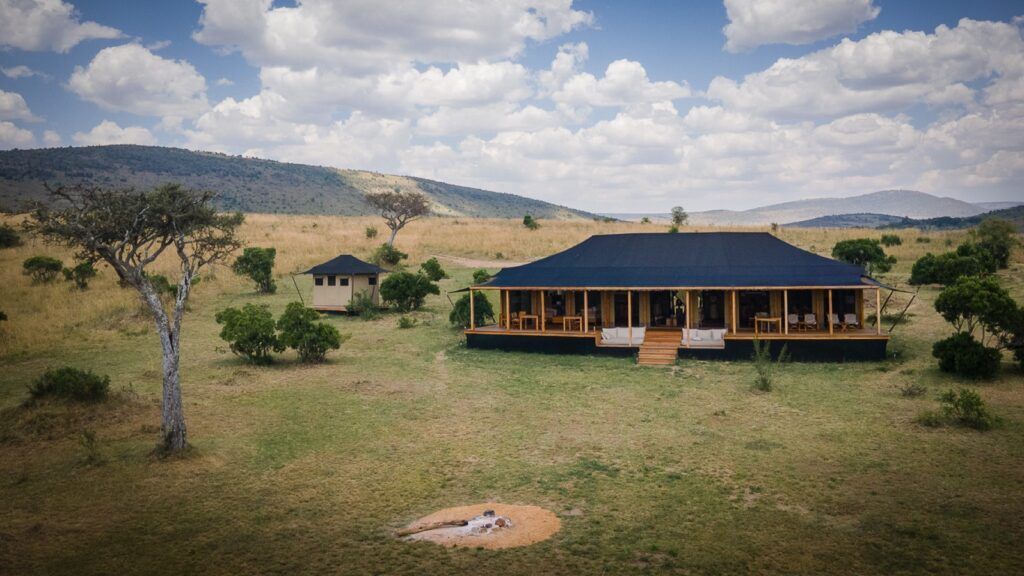
Our camps sit inside the Masai Mara National Reserve, in a remote area far from the more crowded parts of the reserve. That means fewer vehicles at each sighting, quieter dawns and the feeling of having the plains to yourself. It is also close to the Tanzanian border, in the part of the Mara where the herds typically arrive first.
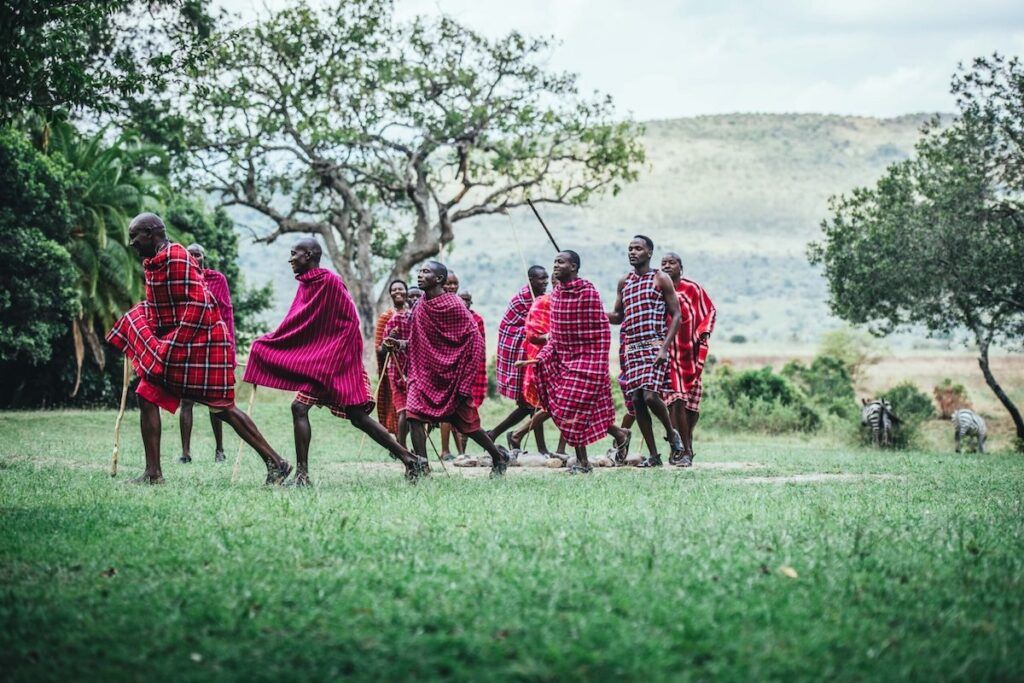
Our team is led by Maasai guides and spotters who grew up reading this land. They follow tracks, birds and the grass itself rather than relying on radio calls, which is why a drive with us often feels more like tracking than driving. See how our spotters find wildlife and meet the Maasai guides behind every safari.
If you want some of the Serengeti’s sense of space with the Mara’s convenience, a small camp in a quiet corner of the southern Mara is the closest you will get, with a short flight from Nairobi. You can read what guests say about Enkewa Camp to hear it from them.
Costs and park fees
Park and conservancy fees change often and differ between Kenya and Tanzania, so check the official sources before you budget: the Kenya Wildlife Service and the Tanzania National Parks Authority. Some camps in Tanzania also add concession fees on top of the park fee. Your total depends far more on the type of camp, the season and whether you fly than on the park itself. For a realistic budget, read what a Kenya safari really costs.
Getting there
The Mara is the easier trip from Nairobi. Our guests fly from Wilson Airport to Keekorok airstrip in about 45 minutes, and camp is around 25 minutes from there; you can also come by road. The Serengeti is reached through Arusha or Kilimanjaro in Tanzania, usually with small-plane hops between airstrips.
When to go
- July to October: dry roads and the Great Migration in the Mara, with the highest demand.
- January to March: green landscapes, warm days and fewer vehicles in the Mara; the southern Serengeti is known for calving in January and February.
- April to May and November to December: the rains bring lush scenery, quieter parks and lower rates.
Month-by-month rainfall and temperatures are in our guide to the best time to visit the Masai Mara.
Common mistakes when choosing between the two
- Choosing by name alone. The camp, its location and its guides shape your safari more than the park’s name.
- Expecting a river crossing every day. Crossings are never guaranteed, so allow enough nights to give the herds time.
- Underestimating distances. The Serengeti is large, and moving between areas can take most of a day.
- Booking late for July to October. The best camps fill early in the migration months.
- Ignoring the season you can actually travel. A green-season trip to the right camp can beat a crowded peak-season one.
So, which one should you choose?
- Choose the Masai Mara if you want river crossings, a compact park, a short trip from Nairobi, or to combine your safari with a Kenyan beach.
- Choose the Serengeti if you want a longer trip across big landscapes, the calving season in the south, or a deeper sense of space.
- Choose a small camp with Maasai guides, in either, if the guiding matters most to you.

Our own approach is simple: fewer vehicles, Maasai guides and spotters who read the land, and a location far from the crowds. To see what a day looks like, read a typical day on safari, or find out more about game drives with a Maasai guide and spotter. If photography is your priority, here is how to plan a wildlife photography safari.
Can you do both?
Yes. The two form one ecosystem, and many travellers combine them in a single trip of about a week or more. Crossing between Kenya and Tanzania involves separate permits and flights, so plan it with a specialist and allow time for the transfer. If you are still unsure, tell us your dates and what you most want to see, and we will tell you honestly whether the Mara is the right choice.
Masai Mara vs Serengeti: frequently asked questions
Is the Masai Mara or the Serengeti better for the Great Migration?
Neither is better in every month. The Serengeti hosts the herds for longer, while the Mara is the best-known place for dramatic river crossings, usually from July to October.
Which is cheaper, the Masai Mara or the Serengeti?
Fees vary and change, so compare current park fees. The type of camp, the season and how you travel usually matter more than the park.
Is the Masai Mara more crowded than the Serengeti?
The Mara is smaller, so hotspots can get busy in high season. The Serengeti’s size spreads visitors out, though popular areas can still fill up. A camp in a low-use area makes the biggest difference.
How many nights do I need in the Masai Mara?
We suggest at least three nights, so you have time for several game drives and for the weather to give you its best light.
Ready to see the quiet side of the Mara? Meet our tents at Enkewa Camp or the five-tent Little Enkewa, and tell us when you want to travel.
Sizes are approximate and come from the Wikipedia entries for Maasai Mara and Serengeti National Park.