In the age of social media, the dream of an African safari is often curated into a series of predictable, saturated squares. A perfectly positioned jeep, an effortless sunset, and a lion posing majestically just inches from a camera lens. But behind the screen, the reality of mass tourism has begun to tarnish the true wildness of East Africa. The relentless pursuit of the perfect image has transformed a once-sacred journey into a high-stakes search for digital validation, with ecological consequences that are rarely captured in the frame.
At Enkewa, we believe it is time to look beyond the feed. The rise of «safari influencers» has fueled an industry focused on proximity at any cost. In many commercial concessions and outside borders, it is not uncommon to see twenty vehicles crowded around a single, visibly stressed cheetah, all for the sake of the perfect snapshot. This isn’t travel; it’s an exhibition. The commodification of the wilderness transforms a sacred, ancestral ecosystem into a mere backdrop for digital validation, alienating the traveler from the very environment they came to experience.
The Proximity Trap: Ethology vs. Engagement
Modern wildlife encounters are increasingly dictated by the demands of digital algorithms. To secure high engagement on social media, guides are pressured to drive off-road, crossing sensitive ecological boundaries to get closer to predators. This constant encroachment disrupts natural animal behaviors. Cheetahs, which hunt by day using high-speed pursuits, are frequently blocked by circles of idling vehicles, depriving them of the sightlines needed to stalk prey and sometimes even causing them to lose their meals to scavengers. Lions, normally nocturnal hunters, are kept awake during their vital resting hours by the hum of engines and the chatter of tourists.
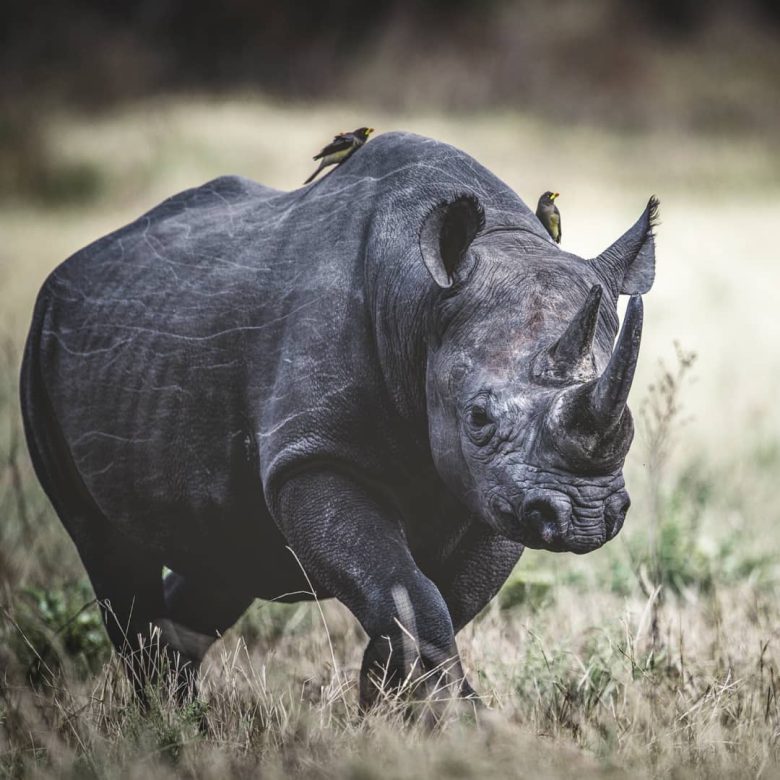
At Enkewa, our guiding philosophy is strictly non-intrusive. Our guides study animal ethology (behavior) to understand their comfort zones. We approach wildlife with respect, maintaining a distance that allows the animals to behave naturally. We do not manipulate their movements or block their paths. This ethical boundary ensures that the encounters our guests witness are genuine, undisturbed, and far more rewarding than any staged close-up. By observing animals on their own terms, we witness authentic behaviors—mating rituals, predator-prey dynamics, and maternal care—that are completely lost in the chaos of crowded sightings.
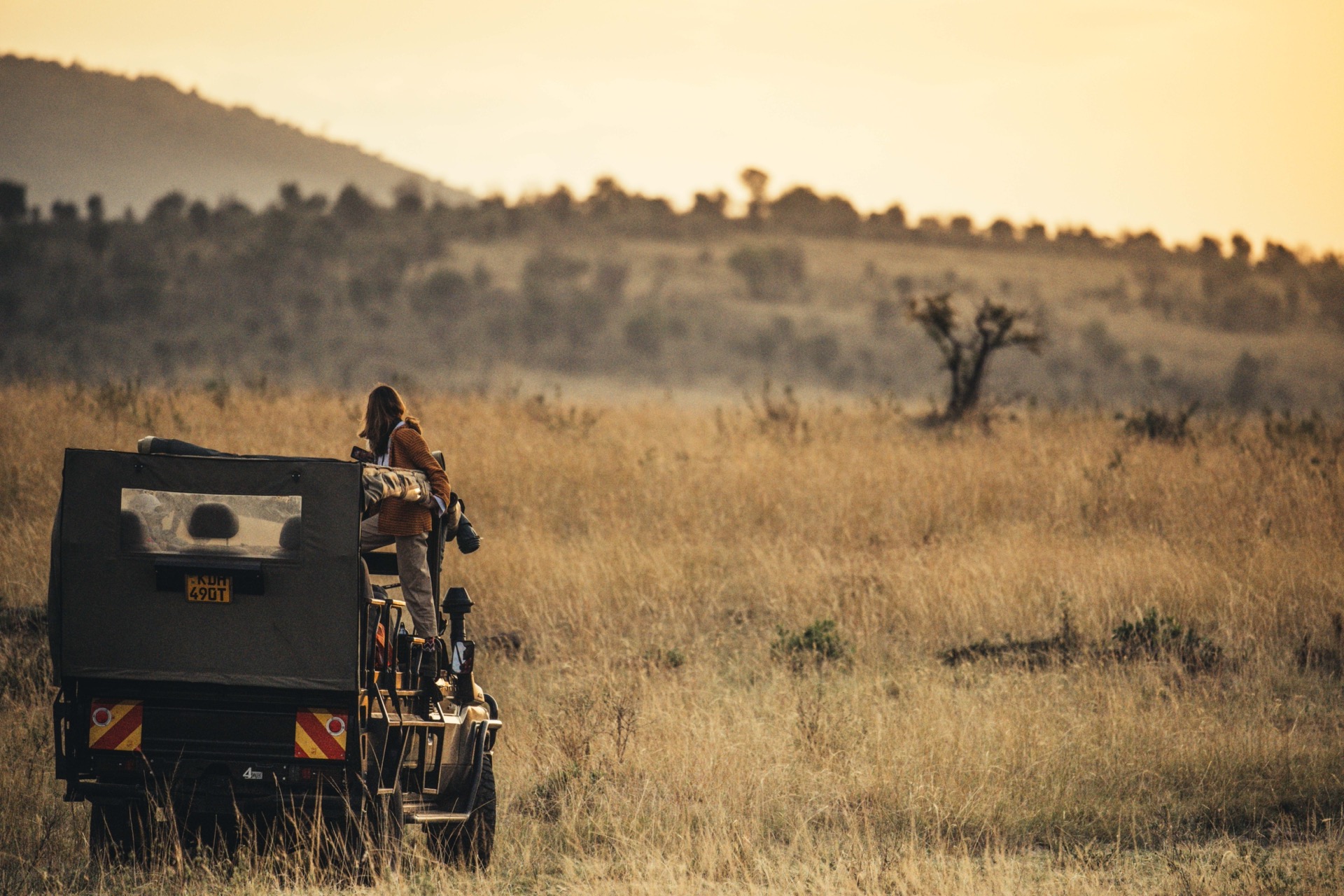
Inside vs. Outside: The Sacred Borders of Masai Mara
The geographical reality of a Masai Mara safari experience is highly complex. The ecosystem is divided into the core National Reserve and surrounding private conservancies or public group ranches. While private conservancies offer off-road driving privileges, they are often subject to high vehicle densities and proximity to commercial highways, where the sounds of trucks and villages can shatter the illusion of the wild.
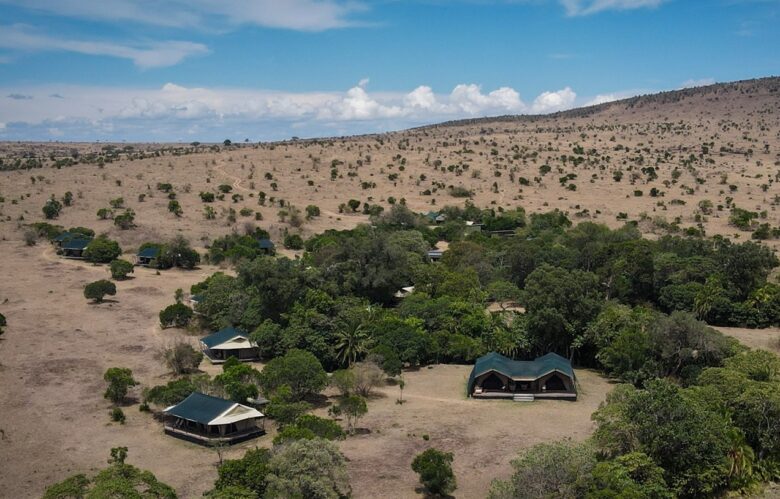
Because Enkewa is located directly inside the Masai Mara National Reserve, we operate in an area protected by strict environmental regulations. We do not participate in the mass-tourism scrambles that plague the busier gates of the reserve. Our strategic position in the less-traveled southern sector allows us to explore pristine riverine forests, vast open plains, and rocky escarpments in near-complete solitude, away from the digital-crazed convoys. Here, the boundaries between human and nature are organic, and the absence of development creates a profound sense of isolation and peace.
The Silent Tracking Method: Wisdom Over Radios
In many commercial safari camps, finding wildlife has become a high-tech coordination exercise. Drivers communicate constantly via VHF radios, sharing coordinates the moment a leopard or cheetah is spotted. Within minutes, a dozen vehicles converge on the location, shattering the quiet of the savanna and stunting the sense of discovery. This «radio safari» reduces the wild to a checklist of sightings, stripping away the mystery and adventure that make a true safari transformational.
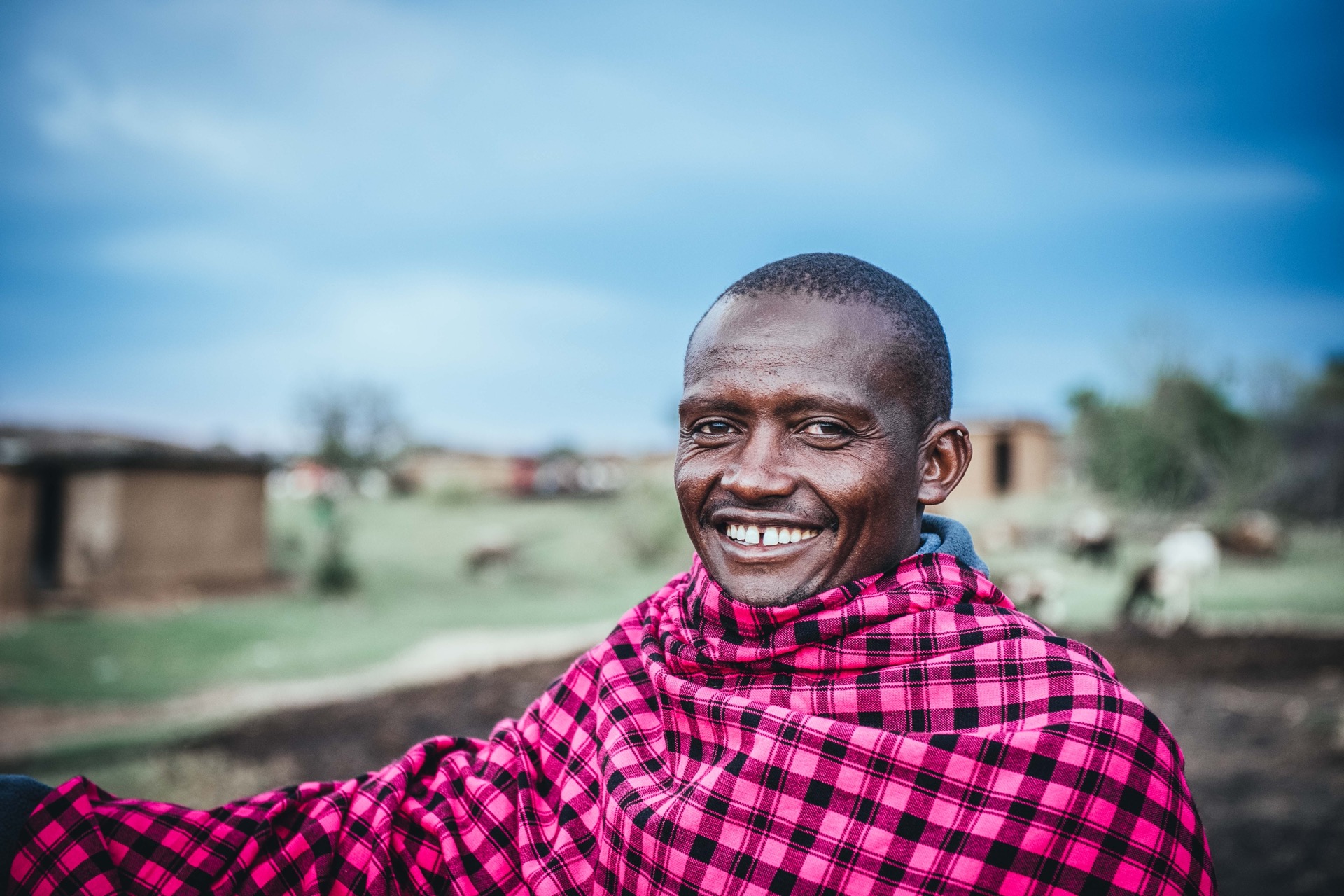
Enkewa completely rejects this methodology. We do not use radios in our vehicles to locate animals. Instead, we rely on the ancestral tracking skills of our Maasai spotters. We read the tracks in the dust, interpret the warning cries of baboons and birds, and sense the shift in the wind. This silent, traditional tracking turns every drive into a masterclass in ecology, where our guests participate in the thrill of a genuine search and the deep satisfaction of an authentic discovery. It respects the quiet of the bush and ensures that when we do find animals, we are often the only vehicle there, allowing for a quiet, intimate connection with the wild.
The Ecological Footprint of the Unconscious Traveler
The environmental impact of mass-tourism safaris goes far beyond animal stress. Unrestricted off-road driving causes severe soil compaction, destroying delicate root systems and accelerating erosion during the rainy season. Vehicles also spread invasive plant species, whose seeds cling to tires and undercarriages, disrupting the local flora. Furthermore, the light and noise pollution from overcrowded lodges near the reserve borders disrupts nocturnal wildlife corridors, forcing animals to alter their migration paths.
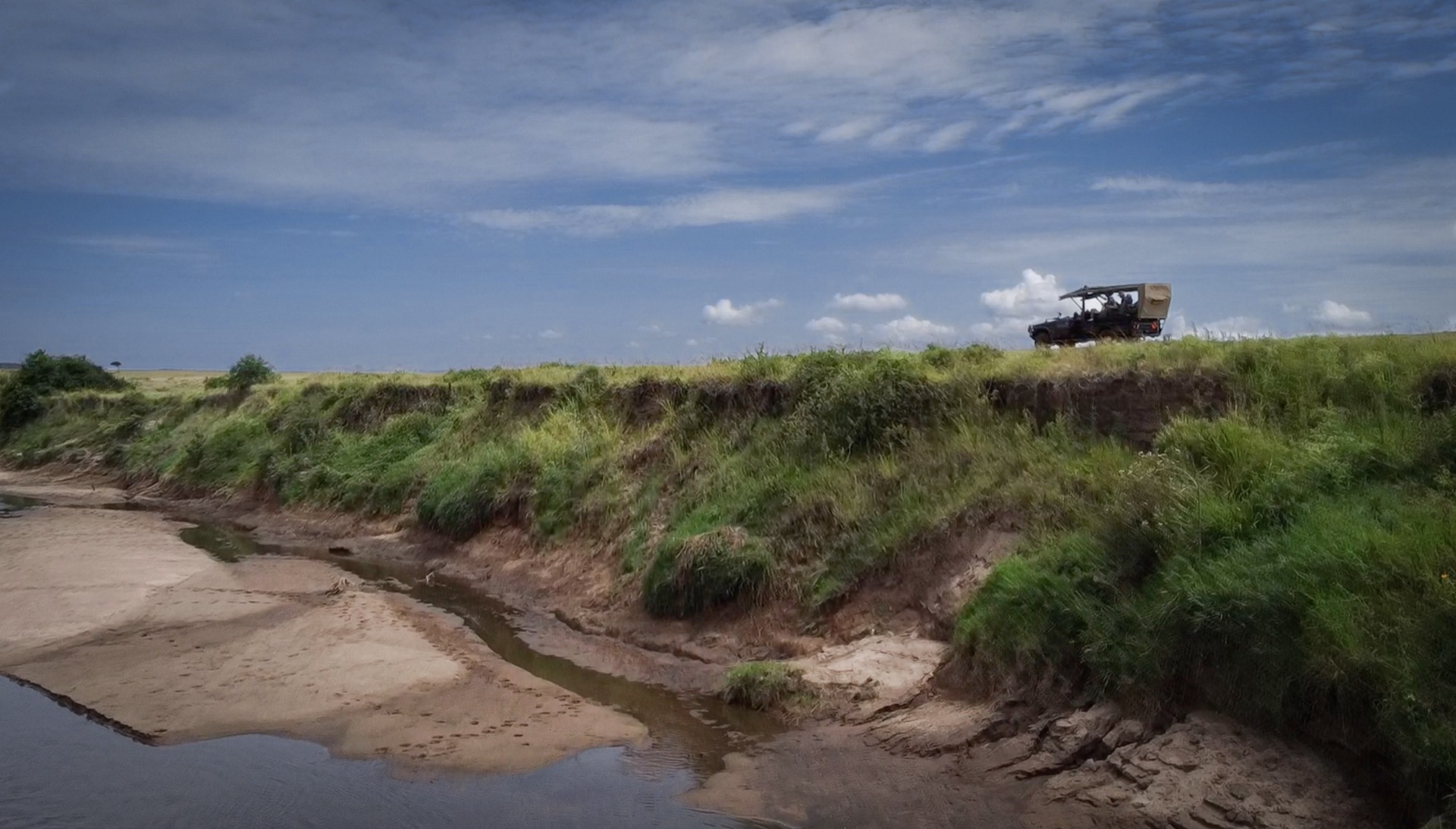
By choosing a low-impact camp like Enkewa, guests actively mitigate these threats. Our lightweight safari vehicles are carefully managed to minimize track damage, and our camp operates on clean solar energy, leaving zero permanent impact on the land. We believe that true conservation begins with self-restraint—knowing when to back away, when to turn off the engine, and how to coexist with the wild without leaving a scar.
Cultivating a New Safari Ethic
To truly experience the wild, travelers must undergo a shift in consciousness. It requires moving away from the «collection» mindset—where animals are treated as trophies to be photographed and displayed—and toward a «relational» mindset, where we see ourselves as humble visitors in a complex and ancient ecosystem. This means embracing the quiet moments: the wind rustling through the acacia trees, the smell of damp earth after a rain, and the vast, uncluttered horizon under the African sky.
We invite you to explore our exclusive safari camps in Masai Mara, where we offer a refined, low-impact hospitality that honors the landscape, protects the wildlife, and supports the local Maasai community. Here, you will find a connection that lasts long after your digital feed has refreshed, and a memory that is etched in your soul, not just on your phone.
The Conscious Lens
Explore a different kind of feed. Moments captured with patience, respect, and deep connection to the wild.